
Land Mobile Radio Project
Building 500+ sites across New Zealand
Tait Systems New Zealand (TSNZ) is building a Land Mobile Radio Network - and supplying thousands of radios to emergency services – as part of the New Zealand Government’s new Public Safety Network.
All radio transmission sites are built for Wellington, Canterbury requires only two more sites to be built, and Auckland is on track for the first quarter of 2026. These three areas represent where 60 per cent of New Zealand’s population live and are served by the emergency services.
Work on the radio transmission sites to cover the rest of New Zealand is underway in the eight remaining LMR network regions. Once tested, each region will be handed over to the emergency services throughout 2026 and 2027 to begin their final testing and progressive transition to using the new radio network in each region.
While this site build milestone is a significant one, the Land Mobile Radio network sites are not ready for live service yet. SafetyNet Critical Communications (SafetyNet), Tait Systems NZ and the emergency services have begun a large, rigorous programme of 2 work to gain assurance the new network will be fit for frontline responders to begin using, from mid-2026 onwards.
Building one of the largest shared radio networks in the world is a multifaceted and complex project. We are engaging with landowners, Councils, communities, and Iwi/Māori from across New Zealand. We work with a range of trusted local vendors including Broadtech, Ventia, Downer, Tait Communications, Kordia, Chorus, Forty South, RCG and Connexa.
“During 2026 we are building a brand-new radio network across the country - and supplying thousands of radios to emergency services.”
About the LMR network
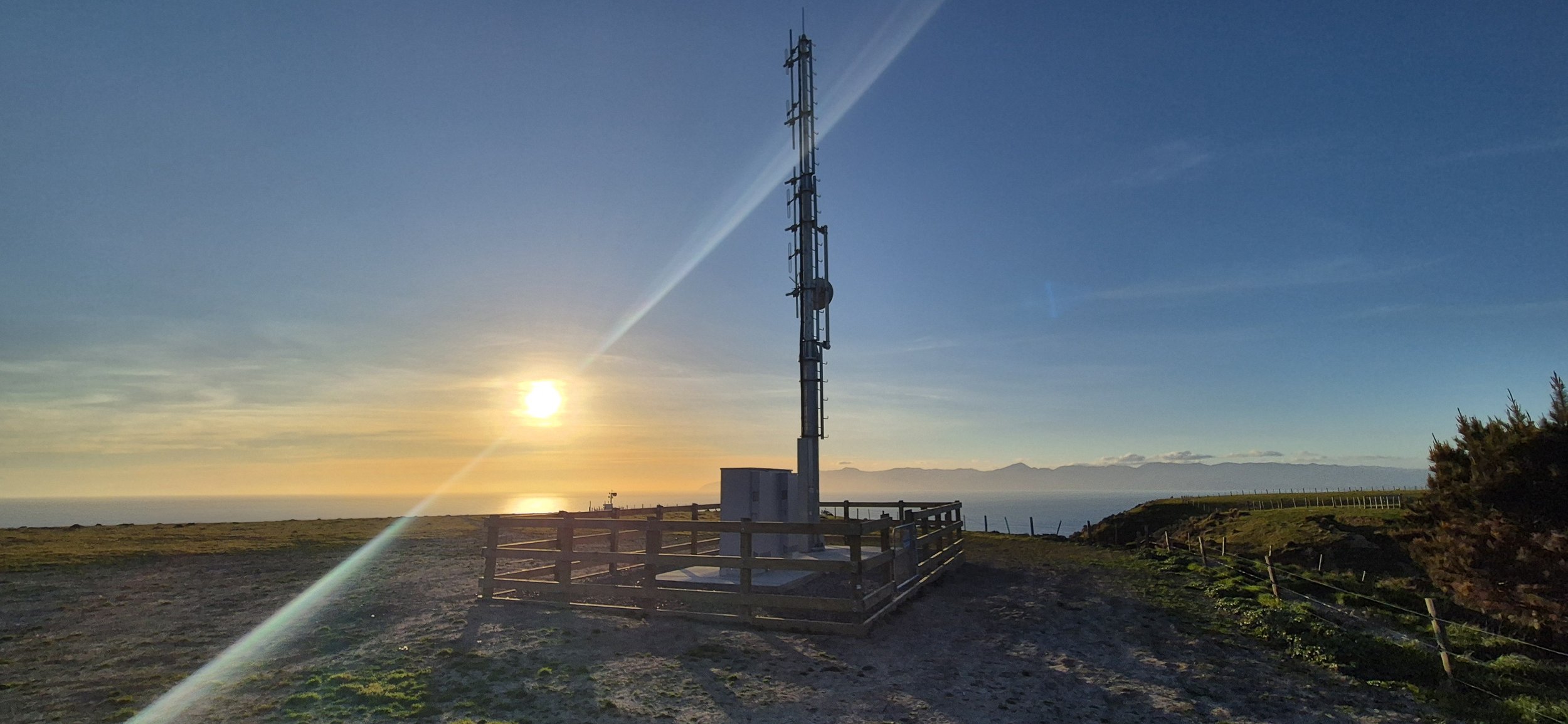
To deliver what our emergency services need to serve their communities, the network needs to reach the places where emergency services are called on for support. That means sites need to be in both rural and urban New Zealand.
Sites can provide coverage over a wide range of distances – up to hundreds of kilometers - depending on the terrain and other conditions. They are designed in line with all relevant safety, environmental and technical requirements, standards, and guidelines.
Where we can, we add new equipment to existing telecommunication network sites, this is called co-locating. Where that’s not possible, we build new standalone facilities. Sites are generally made up of a pole, broadcasting and receiving equipment, and sometimes, security infrastructure such as fences.
Several factors are considered when choosing sites. The most important is coverage for the emergency services. Other factors include technical requirements - connectivity to the rest of the network, power, security – natural hazards and impacts on existing land use.

Supplying radios to save lives
TSNZ is also supplying thousands of radios and a range of systems and technology that emergency services will need to start using the new Land Mobile Radio network.
This includes supporting the installation of radios in over 7,000 vehicles and 1,000 buildings across New Zealand, as well as supplying around 10,000 portable radios across New Zealand by mid-2026.
Watch Hone Hato St John talk about their work to install new radios.
Supporting emergency services into the future
The network will support around 30,000 emergency services personnel and the communities they serve. It will have many benefits, helping emergency services work together and keep responders and communities safe.
Once the network is delivered, emergency services will begin migrating to the new network to start using it. TSNZ will continue to support agencies by managing and maintaining the network.
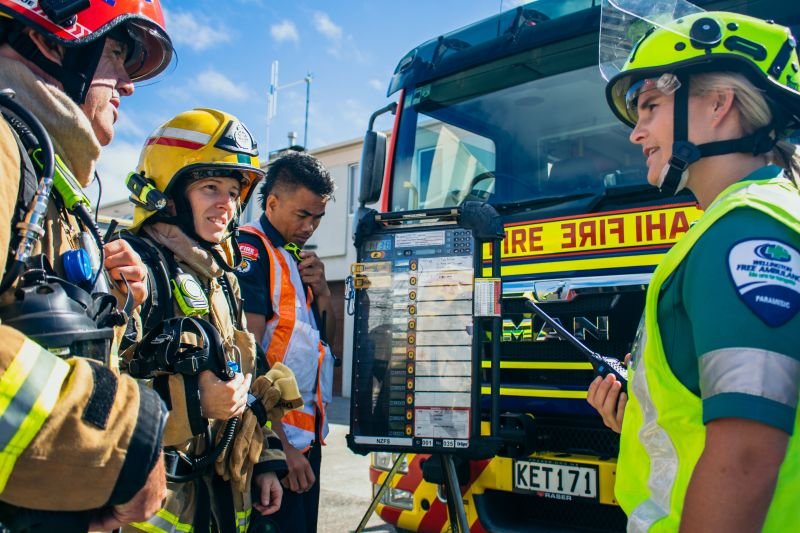
“Once complete, for the first time in New Zealand history, the four emergency service agencies will share the same radio network”
