
Our latest news
We’re working hard across urban and rural New Zealand to acquire and build the 500+ sites needed to deliver the Land Mobile Radio Network.
Here’s the latest from our teams, subcontractors, and vendors across the project.

Steve Bush Appointed Chief Executive of Tait Systems New Zealand
Tait Systems Appoint Steve Bush as CEO

TSNZ strengthens delivery leadership with GM Deployment appointment
Tait Systems welcome new GM Deployment

Tait Communications named NZ Hi-Tech Company of the Year
Behind every tower and every successful test is a team of dedicated professionals. Congratulations Tait, you nailed it!
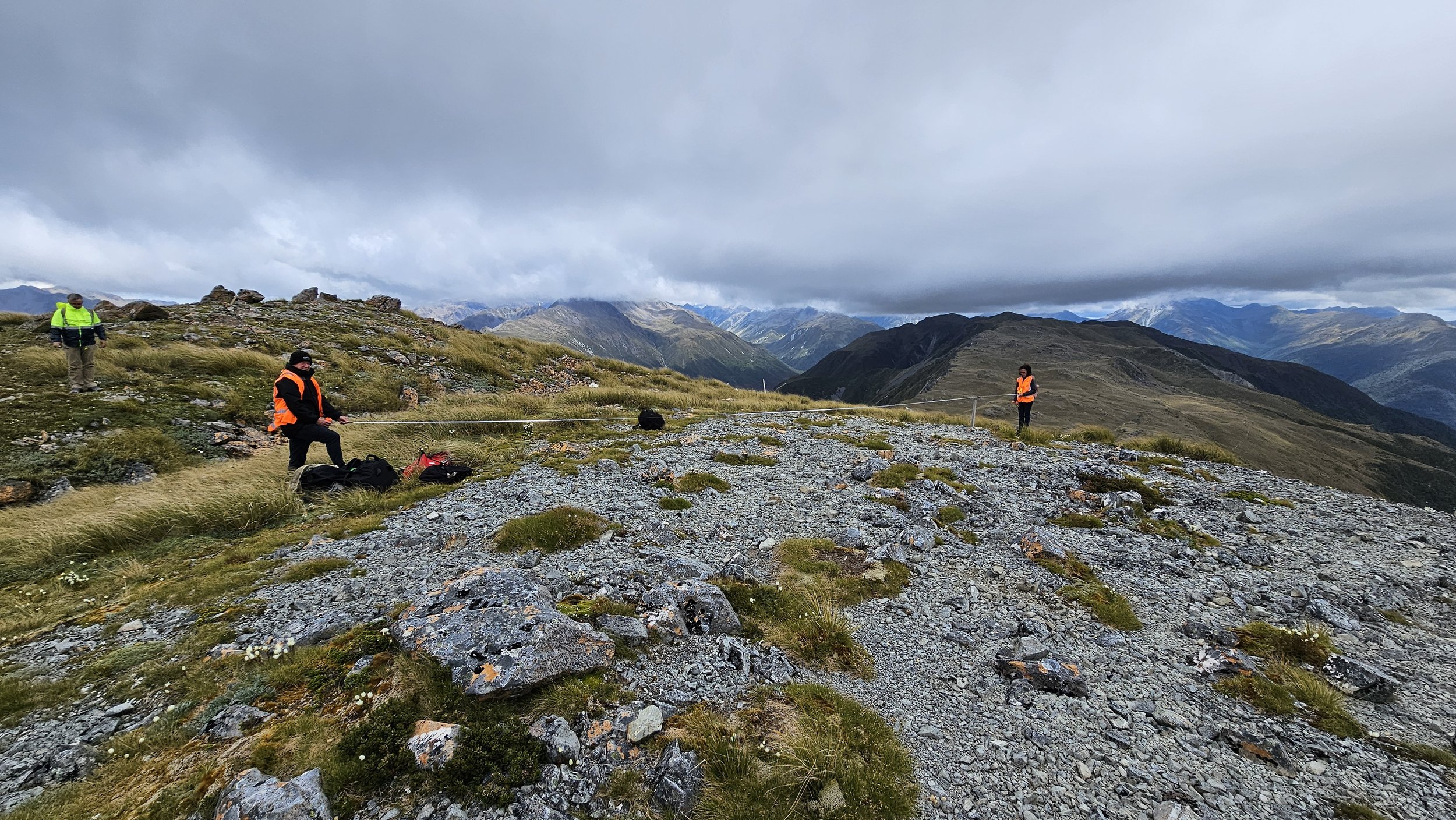
It’s about the people who make it happen
Behind every tower and every successful test is a team of dedicated professionals. Engineers, project managers, and partners working together to deliver one of New Zealand’s most important networks.
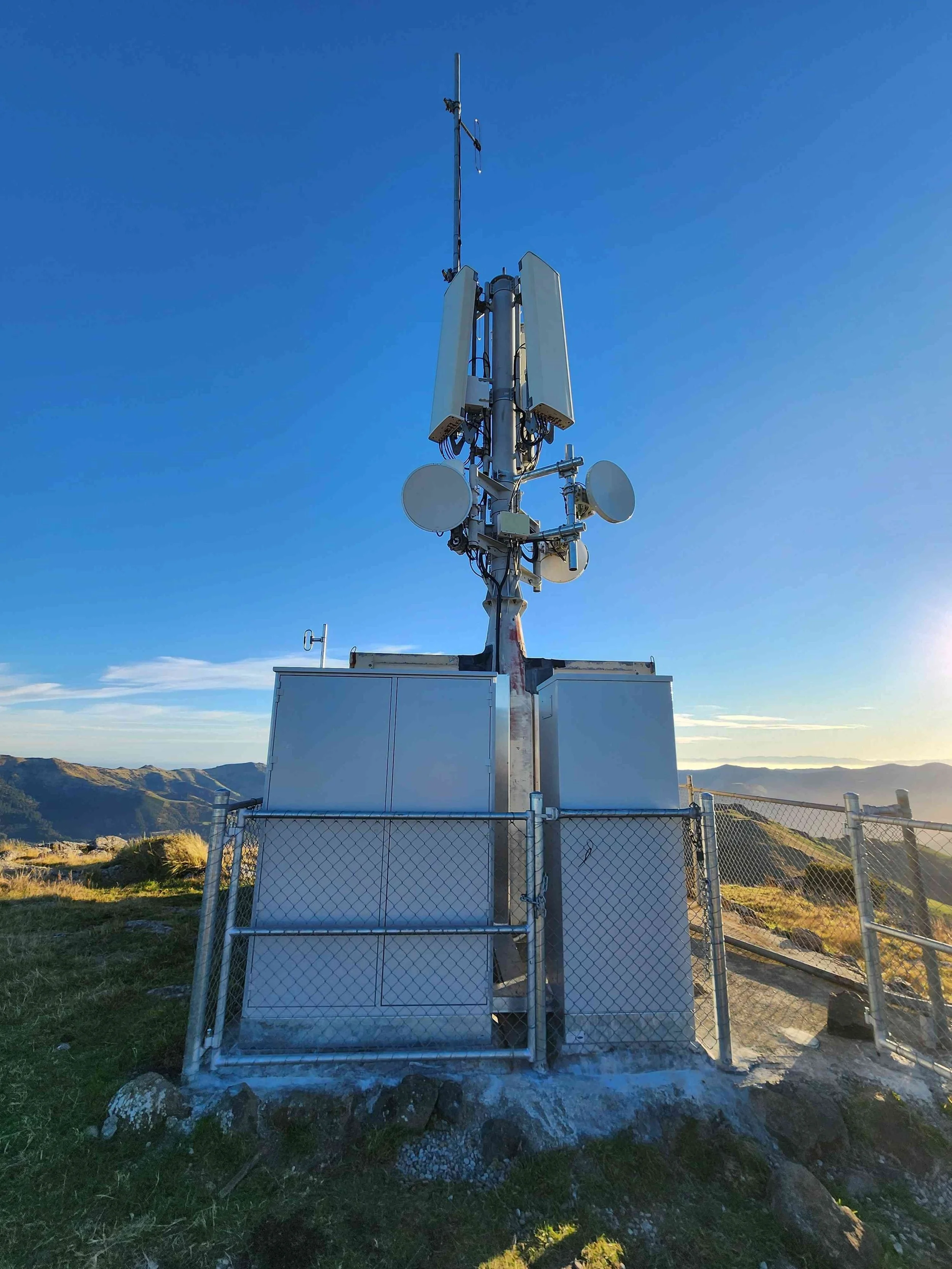
The site build…it’s not always that easy.
Every site we build brings us closer to a network that emergency services can rely on. and reliability. This isn’t just construction—it’s creating the backbone of New Zealand’s mission-critical communications.
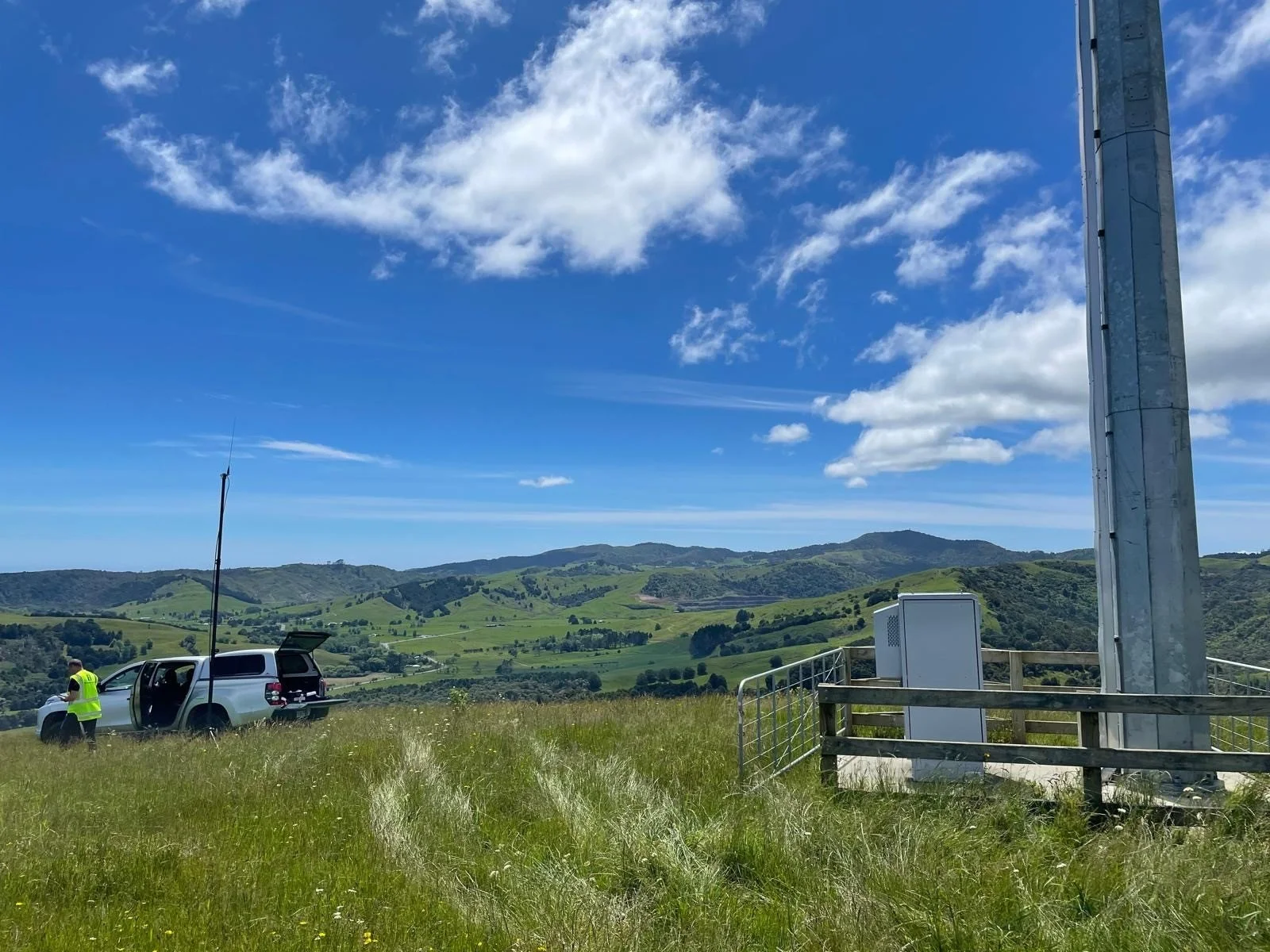
Confirming technical aspects is key
Reliability is everything in mission-critical communications. That’s why we’re using advanced systems, robust infrastructure, and cutting-edge technology to deliver a network that never fails.
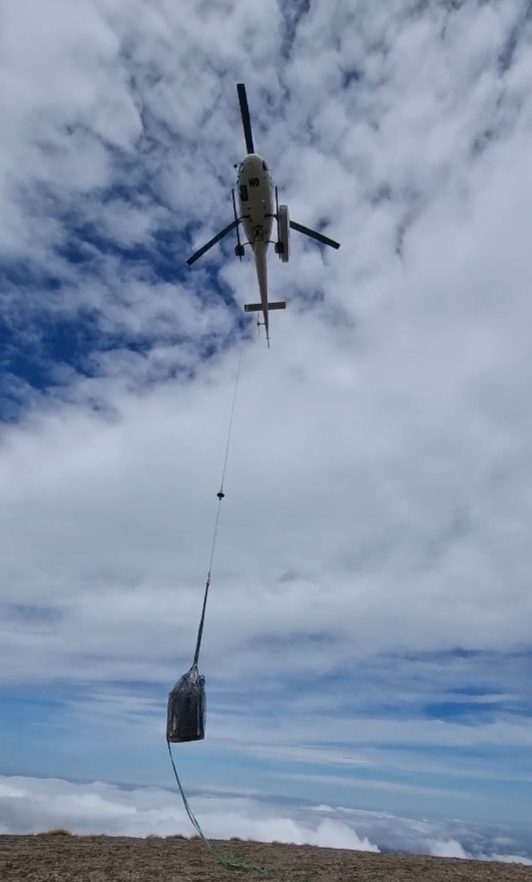
From rugged mountains to remote coastlines—here’s how we’re making it happen.
Delivering a nationwide network isn’t easy. New Zealand’s diverse terrain means every tower, every connection, and every test matters.
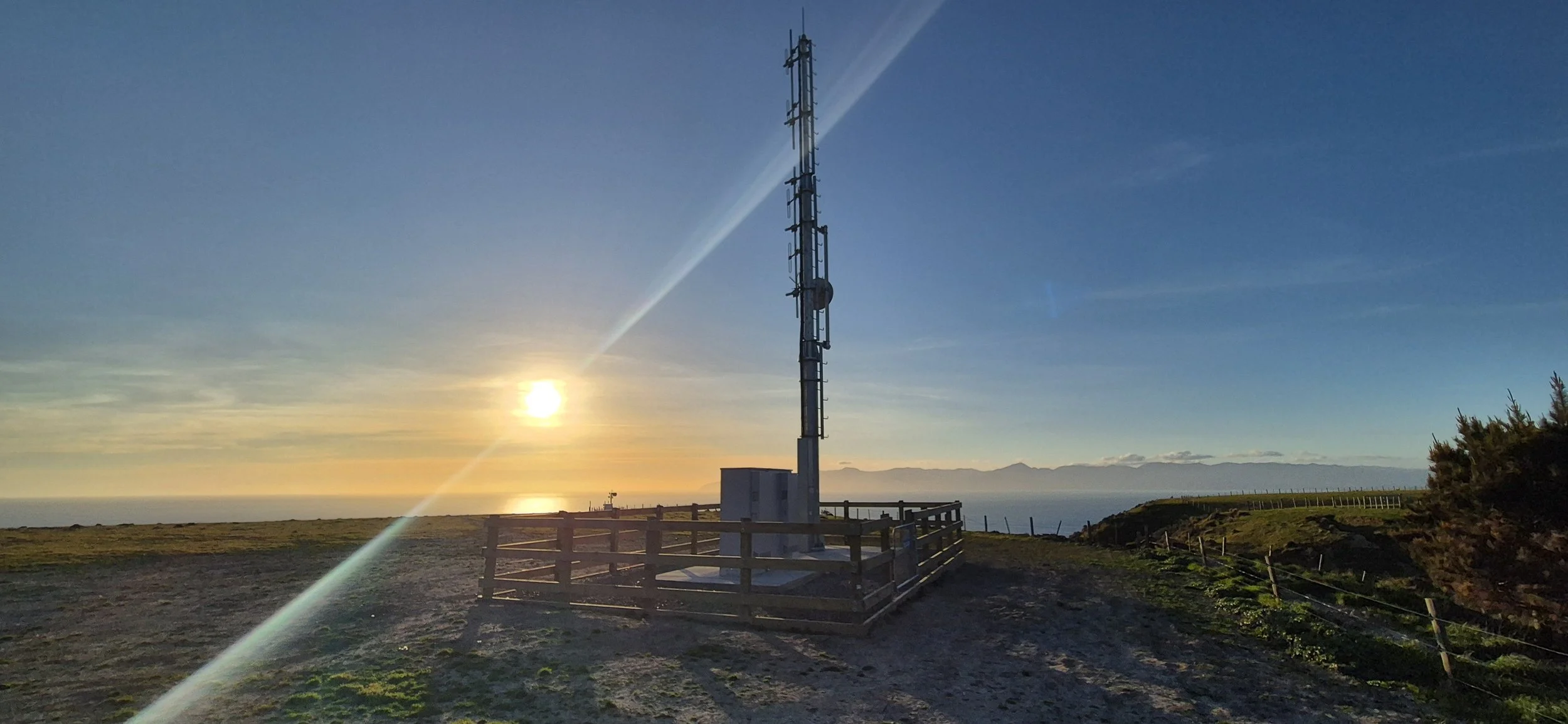
Planning site locations are critical when lives are on the line.
Emergency services need a radio network they can trust—one that works in the toughest conditions. That’s why we’re building New Zealand’s Public Safety Network Land Mobile Radio network: a mission-critical system enabling frontline responders to keep communities safe when it matters most.
This is about resilience, reliability, and protecting lives.
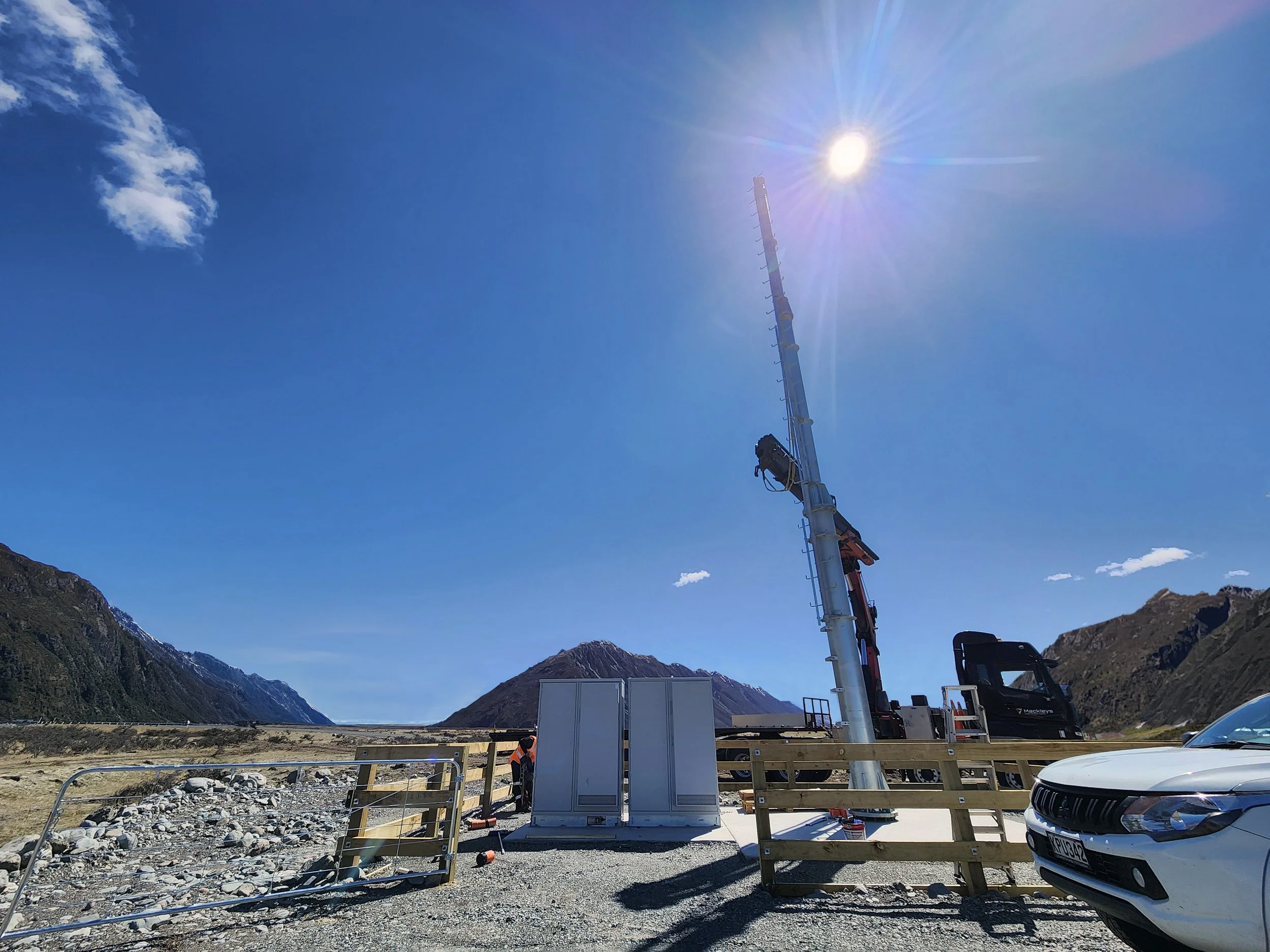
Progress update on new encrypted digital radio network for NZ’s emergency services
The Public Safety Network (PSN) is a significant infrastructure project, investing $1.4 billion over 10 years to build and operate the networks and services, and roll out new devices to emergency services staff, stations and vehicles.

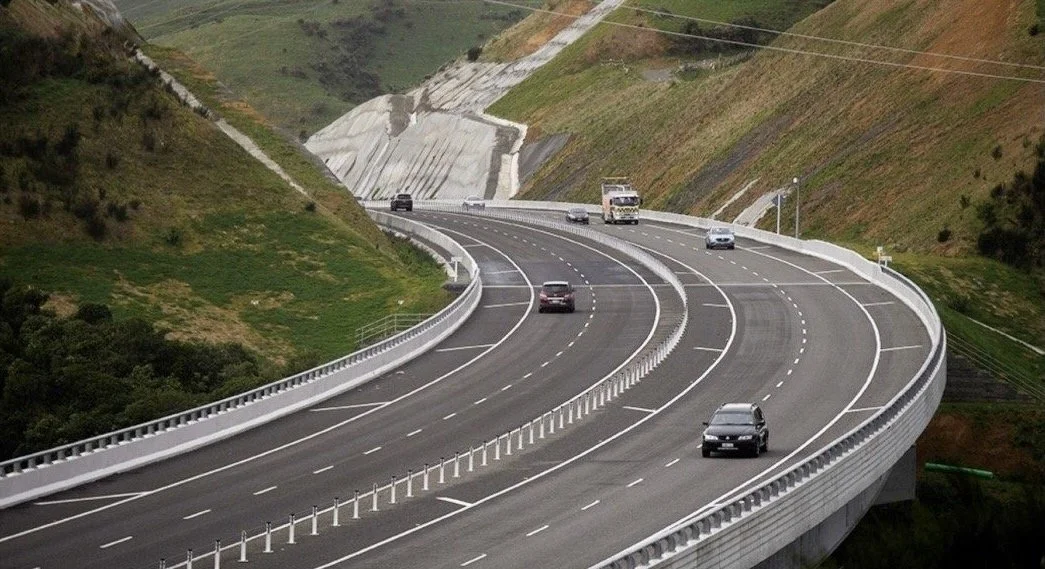
“If you build it, we will come”
“Because Transmission Gully is a vital and fast route for first responders travelling to or from Wellington, and where emergencies can occur, secure and reliable radio coverage is essential,” says Senior Sergeant Kate Saxton of NZ Police.

Back to basics while building advanced communications
While TSNZ is constructing a cutting-edge LMR network, the whistle serves as a poignant reminder: the essence of communication is clarity and reach.

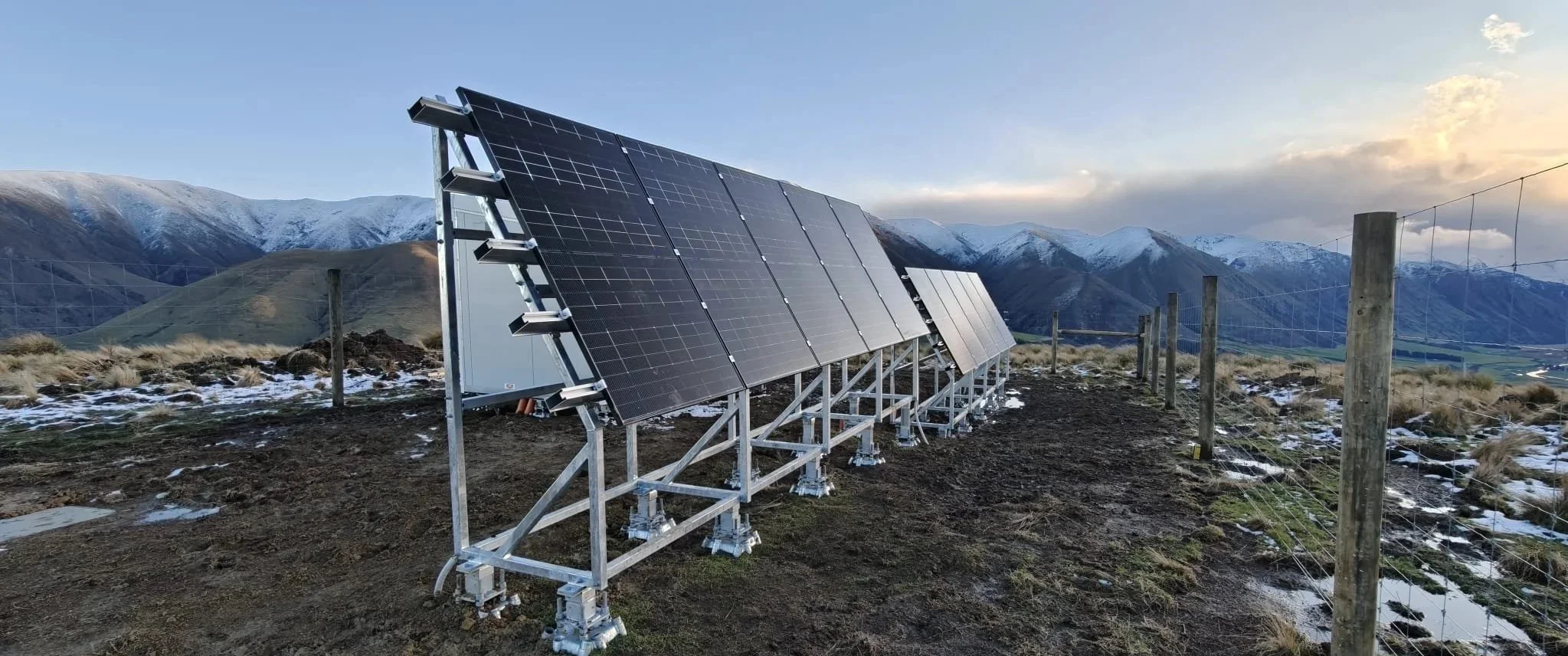
Powered by solar energy
Reliable power is fundamental for resilient communication. By using solar energy, sites can continue to operate during national disasters or wide-area power outages.
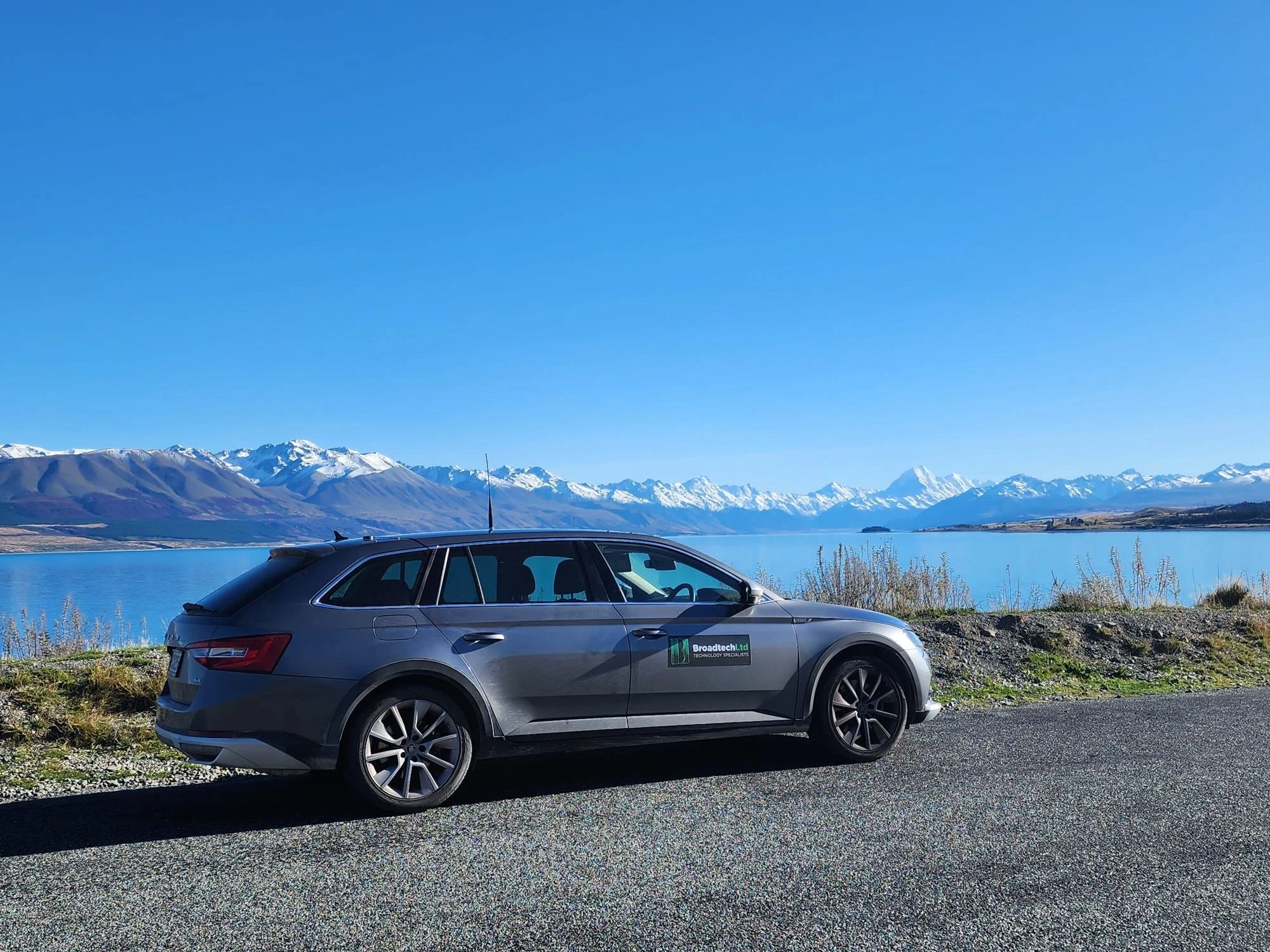
From blueprint to reality: the power of coverage verification testing.
With the expertise of TSNZ’s engineers and technology partner, Broadtech, every site is thoroughly tested to ensure it meets its coverage expectations.

Building in the face of extreme weather
Snow, wind, and rain can complicate the build process. However, TSNZ teams, equipped with PPE and the necessary skills, can work in rough weather, continuing operations while it is still safe to do so.